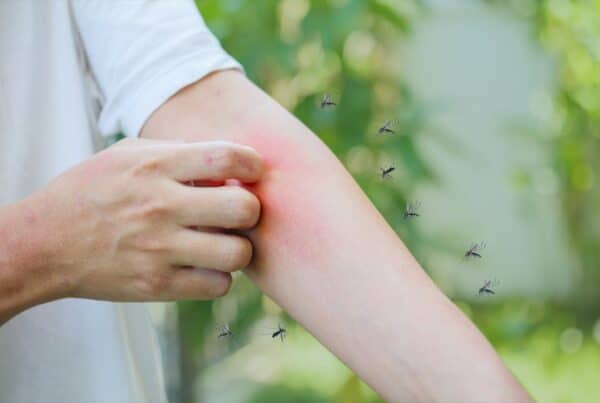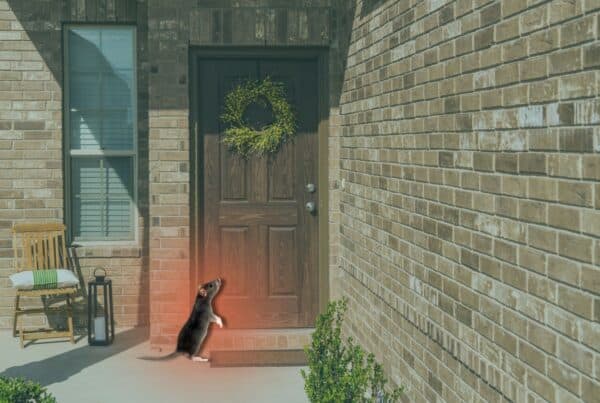

Mouse bites are rare, but when they happen, they almost always point to a larger rodent problem inside the home. Most bites occur when a mouse feels trapped, startled, or forced into close contact with people.
While the bite itself is usually small, the conditions that allow mice to live indoors create ongoing risks that extend far beyond the initial injury. In Jacksonville and across North Florida, mice remain active year-round. Mild winters, frequent rainfall, and dense vegetation allow rodent populations to stay established outdoors and move indoors easily.
Homes with small structural gaps, cluttered storage areas, or ongoing rodent activity increase the likelihood of close encounters. Here’s what to know so you’re always prepared.
Why Mouse Bites Happen Inside Homes
Mouse bites almost always occur because mice are already living indoors.
Mice are not aggressive animals. Research consistently shows that mice rely on avoidance and hiding rather than confrontation. Biting is a defensive reaction, not a sign of aggression or hunting behavior.
Most bites happen during surprise encounters. This includes reaching into cabinets, storage bins, or boxes where a mouse is nesting, or cleaning garages, attics, or storage rooms where rodent activity has gone unnoticed. In these moments, the mouse has limited escape routes and reacts instinctively.
The key issue is shared space. When mice live inside walls, cabinets, or storage areas, accidental contact becomes more likely over time. Preventing mice from entering the home is far more effective than trying to manage encounters after they occur.
Health Risks Associated With Mouse Bites
Mouse bites are usually small, but they still carry health considerations.

The CDC notes that rodents can carry bacteria that may be transmitted through bites or scratches. Serious illness from mouse bites is uncommon, but infection risk increases when wounds are not cleaned promptly or when bacteria enter broken skin.
Possible concerns include:
- Local skin infections
- Bacterial exposure from saliva
- Increased risk when wounds are ignored or improperly cleaned
It is also important to understand that bites are not the most common way rodents affect health. According to CDC data, most rodent-related illness comes from exposure to droppings, urine, or contaminated surfaces.
A bite is often the first obvious sign that these exposures may already be present inside the home. In this way, a bite acts as a warning signal rather than the primary health threat.
Why a Mouse Bite Signals a Larger Rodent Issue
A mouse bite rarely means there is only one mouse.
Mice reproduce quickly. Under favorable conditions, a single female mouse can produce multiple litters per year. This rapid reproduction means that visible activity often represents a larger, hidden population.
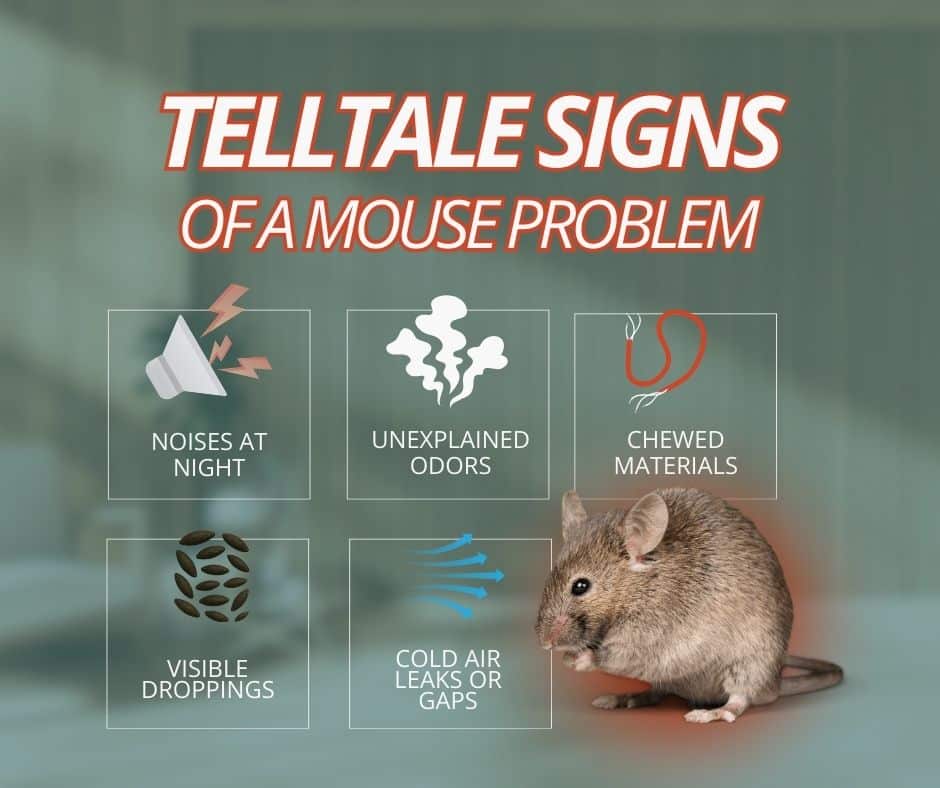
Common indicators of an established rodent problem include:
- Droppings in drawers, cabinets, or along baseboards
- Scratching or movement sounds at night
- Gnaw marks on food packaging, wood, or wiring
- Nesting material made from paper, insulation, or fabric
When a bite occurs, it often means nesting areas are already close to living spaces. The problem has usually progressed beyond occasional activity.
Why Mice Enter Homes in Jacksonville
Jacksonville’s climate creates steady potential for rodent entry.
Mild winters allow mice to remain active year-round instead of migrating seasonally. Heavy rainfall pushes rodents to seek dry shelter, while dense landscaping provides cover close to homes.
Mice can squeeze through openings as small as a dime. Common entry points include:
- Gaps around doors and windows
- Utility and pipe penetrations
- Garage door seals
- Roofline gaps and attic vents
- Cracks in foundations or siding
Once inside, mice seek quiet, warm areas near food sources. Walls, cabinets, garages, and storage rooms provide ideal nesting conditions.
How Mouse Behavior Increases Bite Risk
Mice are nocturnal and rely on tight spaces for protection.
They move along walls, hide in clutter, and remain close to nesting areas. Bite risk increases when people unknowingly disturb these spaces during routine activities.
Risk rises in homes with:
- Cluttered storage that creates hidden nesting zones
- Items stored directly on the floors
- Food or pet food left accessible
- Poor lighting in garages or storage rooms
These conditions do not make mice aggressive, but they increase the likelihood of surprise encounters where a mouse feels trapped.
Why DIY Traps Are Not a Safe or Effective Solution
DIY traps do not resolve rodent problems and often increase risk.
Traps remove individual mice but do not address how rodents enter the home or where they are nesting. EPA guidance on integrated pest management shows that trapping without exclusion leads to ongoing infestations because new mice replace those removed.
Additional concerns with DIY trapping:
- Increased direct contact during trap placement or removal
- Mice are relocating deeper into living spaces to avoid traps
- Continued exposure to droppings and urine
- A false sense of control while entry points remain open
Trapping treats symptoms, not causes. Without sealing access points, rodent activity and bite risk continue.
How Professional Exclusion Helps Prevent Bites
Rodent exclusion is the most effective way to reduce bite risk.
Exclusion focuses on preventing mice from entering the structure at all. When rodents remain outside, indoor encounters stop entirely.
Professional exclusion typically includes:
- A full perimeter and interior inspection
- Identification of active and potential entry points
- Sealing gaps with durable materials
- Reinforcing vents, doors, and utility openings
- Addressing exterior conditions that attract rodents
By eliminating access, exclusion prevents nesting inside walls, cabinets, and storage areas where surprise encounters occur.
The Role of Cleaning and Storage in Prevention
Cleaning habits support exclusion but cannot replace it.
Mice are attracted to accessible food and nesting materials. Improving storage and cleanliness reduces attraction and supports long-term prevention.
Helpful practices include:
- Storing food in sealed containers
- Elevating storage off the floor
- Reducing clutter that provides nesting material
- Cleaning spills and crumbs promptly
Sanitation alone will not stop an infestation, but it strengthens results when paired with professional exclusion.
Conditions That Increase Bite Risk and How They Are Addressed
| Home Condition | Why Risk Increases | Professional Response |
| Cluttered storage areas | Hidden nesting and limited escape | Exclusion plus organization guidance |
| Structural gaps | Easy rodent access | Sealing and reinforcement |
| DIY trapping | Forced rodent movement | Safe removal and prevention |
| Poor lighting | Surprise encounters | Risk area identification |
| Ongoing droppings | Established population | Full rodent control plan |
This breakdown helps homeowners connect visible conditions to effective solutions.
How Long Can Rodent Problems Persist Without Exclusion?
Without exclusion, rodent problems tend to repeat.
Mice quickly exploit the same access points year after year. Even if populations are temporarily reduced, new rodents enter through existing gaps.
Homes without exclusion often experience:
- Repeated infestations
- Escalating activity over time
- Increased likelihood of close encounters
- Greater contamination of storage areas
Exclusion breaks this cycle by addressing the root cause.
Other Questions Homeowners Ask
How do mice usually get inside a home?
Mice and other pests enter through small gaps around doors, utility lines, roof edges, and foundations. Many of these openings are easy to miss without a detailed inspection.
What are the earliest signs of a rodent problem?
Droppings, scratching sounds at night, gnaw marks, and nesting material are often noticed before a mouse is actually seen.
Why do mice show up more often during certain times of the year?
Changes in weather, rainfall, and outdoor food availability often push rodents to seek shelter indoors, especially in mild or wet climates.
Are rodents more likely to nest in certain parts of the house?
Yes. Attics, garages, wall voids, kitchens, and storage areas provide warmth, shelter, and access to food.
Can rodents cause damage even if they are rarely seen?
Rodents can damage insulation, wiring, stored belongings, and structural materials without frequent visible activity.
When to Call a Professional
Professional rodent control should be considered immediately when mice are suspected indoors.
It is especially important to involve a professional when:
- A mouse bite has occurred
- Droppings or nesting materials are found indoors
- Scratching or movement sounds persist in the walls or ceilings
- Entry points are visible but difficult to seal
- DIY attempts have failed or increased activity
Professional services focus on safe removal, structural exclusion, and long-term prevention. This approach is the only reliable way to reduce bite risk and prevent repeat problems.
Conclusion
Mouse bites are uncommon, but they are a warning sign of active rodent problems inside the home. In Jacksonville, where climate conditions support year-round rodent activity, prevention is the most effective way to reduce risk.
Inside & Out Pest Services helps homeowners address rodent issues through professional control and exclusion strategies designed to keep mice out and prevent future contact. Addressing the cause rather than the symptom creates a safer, healthier home.