
Living in Florida means enjoying the beautiful outdoors, but it also means dealing with one of the state’s most persistent nuisances: the mosquito. Because our climate is characterized by high humidity, frequent rainfall, and warm temperatures, the Florida mosquito season is one of the longest and most intense in the country.
While many homeowners wait until they are bitten to think about control, the most effective way to manage populations is to act before the activity explodes.
In North Florida, mosquito season typically begins as early as March and can last well into November.
If we experience a particularly warm February, dormant eggs can begin to hatch even sooner. This guide will walk you through why our local environment is a high-risk area and provide actionable steps to reclaim your outdoor space before the swarm arrives.
Why Florida is a High Risk Environment
Florida’s geography and climate create a perfect storm for mosquito breeding. Unlike many other states where mosquito season is limited to a few summer months, Jacksonville can see activity almost year-round.
The combination of dense vegetation, low-lying coastal land, and suburban drainage systems provides endless opportunities for mosquitoes to lay eggs.
Key Florida Risk Factors:
- Subtropical Climate: Warmth allows mosquitoes to remain active longer into the autumn and emerge earlier in the spring.
- High Humidity: Moisture in the air prevents mosquito eggs and adults from drying out, increasing their survival rates.
- Dense Foliage: Heavy landscaping and natural wetlands provide the shade mosquitoes need to survive the heat of a Jacksonville afternoon.
Mosquitoes are more than just a nuisance. They are a significant public health concern.
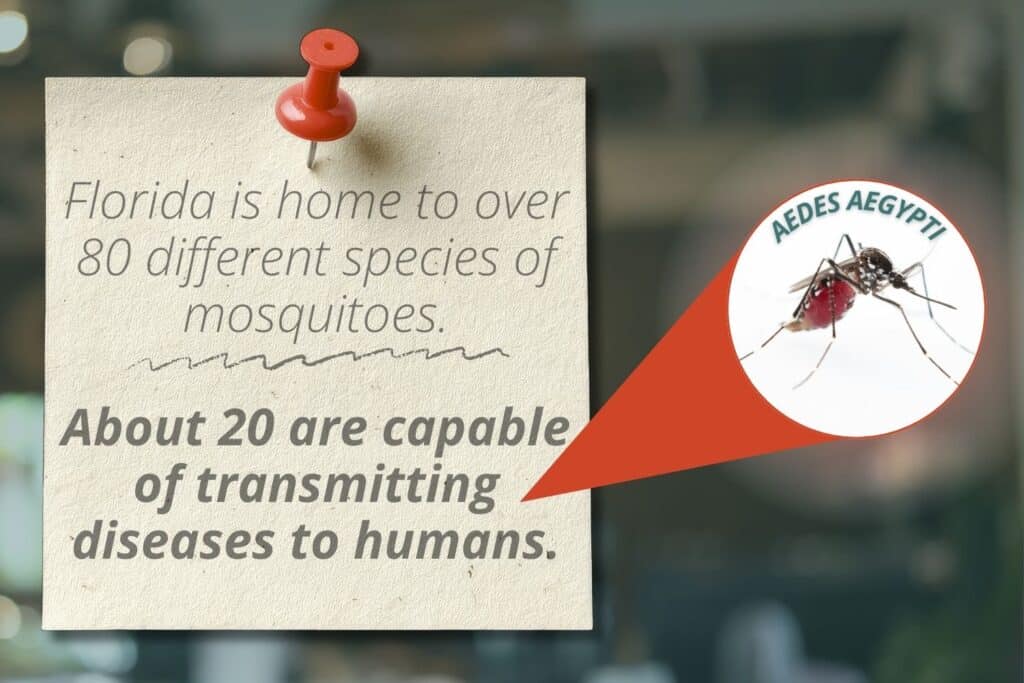
According to the Florida Department of Agriculture, our state is home to over 80 different species of mosquitoes, and several are capable of transmitting diseases like West Nile Virus.
Because our local environment is so conducive to their growth, a proactive approach is the only way to stay ahead of the population curve.
Understanding the Cycle: Where Do Mosquitoes Come From?
To prepare for the mosquito season, you must understand how they reproduce. Most people know that mosquitoes need water, but many do not realize how little water is actually required.
A single bottle cap full of stagnant water can serve as a nursery for hundreds of larvae.
The life cycle moves quickly in the Florida heat. It can take as little as seven to ten days for a mosquito to go from an egg to a biting adult.
This means that a single afternoon of heavy Florida rain can lead to a massive population spike just a week later. Early-season preparation focuses on breaking this cycle before the first major hatch occurs.
The Impact of Early Intervention
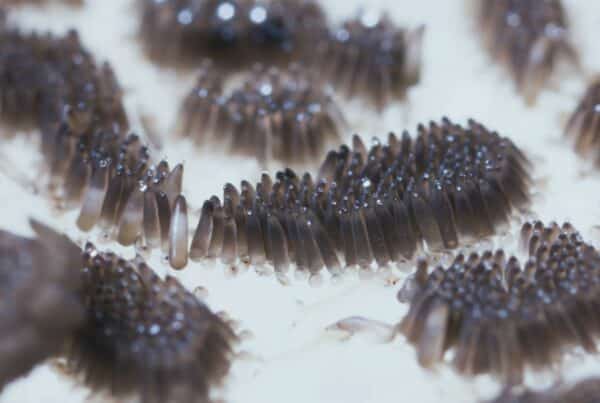
Why does acting early matter so much? It comes down to exponential growth. A single female mosquito can lay up to 300 eggs at a time and may do so several times in her short lifespan.
If you eliminate even ten female mosquitoes in March, you are potentially preventing thousands of mosquitoes from hatching in May.
Urgent: Once the “peak” of the season hits in the humid summer months, it becomes much harder to knock down an established population. Starting your treatments in early spring keeps the baseline population low.
Strategic Early Season Preparation
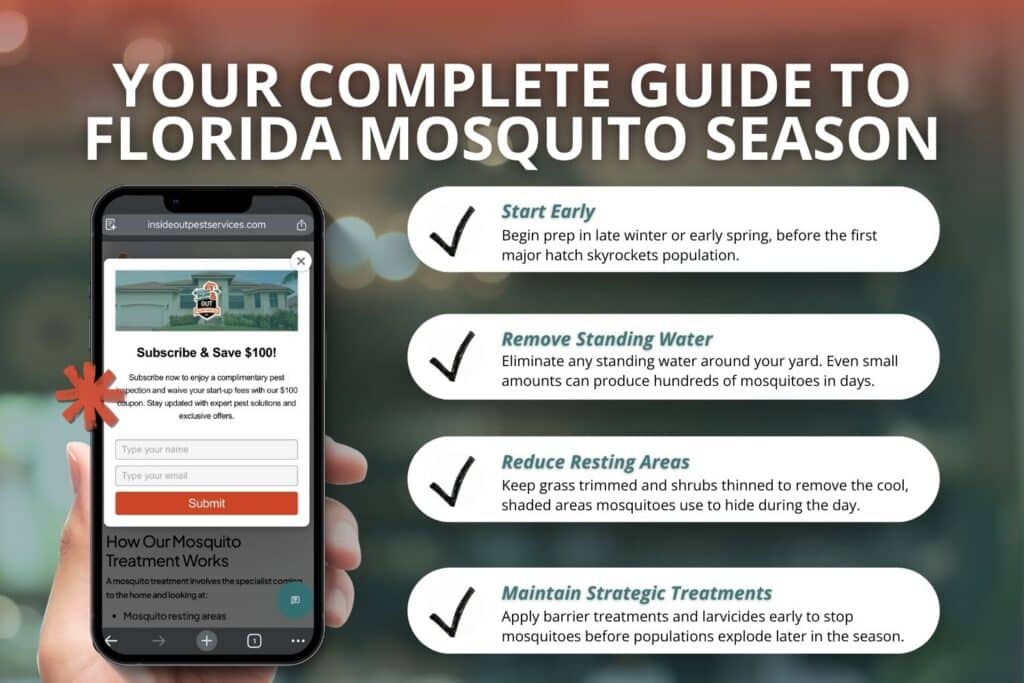
The goal of early preparation is to eliminate breeding sites and create a barrier around your property. By the time the Florida mosquito season reaches its peak, the population can be overwhelming.
Taking these steps now will pay dividends when you want to use your patio in the summer.
1. Eliminate Stagnant Water Sources
This is the most critical step any homeowner can take. You must be diligent about checking your property for hidden water collectors.
- Gutters and Downspouts: Florida’s heavy rains wash debris into gutters, causing clogs. Standing water in a gutter is a prime breeding ground that sits right next to your roofline.
- Plant Saucers: Decorative pots often have saucers that hold water long after the soil has dried. Tip these out after every rain.
- Tarps and Covers: If you have a boat or woodpile covered with a tarp, ensure it is pulled tight. Small folds in the plastic can hold enough water to breed thousands of mosquitoes.
- Toys and Tools: Check the backyard for forgotten buckets, wheelbarrows, or kids’ toys that might be collecting water in the grass.
2. Manage Your Landscaping
Mosquitoes do not spend all their time flying. They spend a significant portion of the day resting in cool, shaded areas to avoid the intense sun.
- Mow Regularly: Keep your grass mowed short to reduce resting spots.
- Thin Out Shrubbery: Overgrown bushes trap moisture and provide a perfect, wind-protected environment for mosquitoes to hide.
- Remove Leaf Litter: Damp piles of leaves or pine needles on the ground create a moist microclimate that mosquitoes love.
The Role of Professional Mosquito Control
While DIY efforts are important, they often fail to address the larger population in the surrounding environment.
Professional mosquito control provides a level of protection that individual homeowners cannot achieve on their own.
| Professional Strategy Type | How it Works | Why it Matters |
| Barrier Sprays | Applied to resting sites like shrubs, tall grass, and the underside of decks. | Kills adult mosquitoes on contact and repels new ones for several weeks. |
| Larvacides | Applied to water sources that cannot be drained (like birdbaths or ponds). | Stops the next generation of mosquitoes before they can fly or bite. |
| Source Reduction | Professional identification of hidden breeding grounds on the property. | Eliminates the root cause of the infestation rather than just treating symptoms. |
| Growth Regulators | Chemicals that prevent larvae from maturing into biting adults. | Essential for long term population suppression throughout the season. |
Jacksonville Specific Challenges
Our local area has unique challenges, such as the proximity to marshes and the St. Johns River. These natural areas produce massive amounts of mosquitoes that can drift into residential neighborhoods.
Professional barrier treatments create a “shield” around your property. This discourages mosquitoes from crossing into your yard, even if the surrounding environment is high risk.
Without this barrier, your home essentially becomes an island of relief that attracts pests from blocks away.
Related Questions to Explore
How does mosquito control fit into a general pest plan?
Mosquito control is often treated as a specialized service because it focuses on the exterior environment. However, many of the steps taken to reduce mosquitoes (like removing standing water and debris) also help prevent general pests like ants and roaches from being attracted to your home foundation.
Do mosquitoes attract other pests to my yard?
Mosquitoes themselves are a food source for some beneficial insects, but the conditions that attract them (moisture and overgrown foliage) are the same conditions that invite termites and rodents. Keeping a clean, dry yard is the first line of defense for almost all Florida pest control.
Can interior pest control help with mosquitoes?
Interior treatments are designed to stop pests from nesting inside your walls. While they won’t stop mosquitoes from flying around your patio, ensuring your window screens are intact and your door seals are tight prevents outdoor pests from becoming an indoor problem.
Is termite protection necessary in a mosquito-prone yard?
Yes. In Florida, high moisture levels in the soil attract both mosquitoes and termites. If your yard has drainage issues or wood-to-ground contact, you are at a higher risk for structural pests. Addressing moisture for mosquito prevention often has the secondary benefit of making your home less attractive to termites.
What is the best way to keep pests away from the pool area?
Mosquitoes are naturally drawn to the moisture of a pool deck. Using a professional barrier spray around the perimeter of the pool area, combined with regular skimming to remove organic debris, is the best way to keep your swimming area comfortable.
When to Call a Professional
If you find that you cannot spend five minutes in your backyard without being bitten, it is time to call a professional.
At Inside & Out Pest Services, we understand the Jacksonville environment and the specific species that plague our neighborhoods.
Early intervention is the key to a comfortable summer. Don’t wait until the population is out of control. Setting up a prevention plan in the late winter or early spring allows you to enjoy your yard all year long.
Conclusion
Preparing for the Florida mosquito season is a multi-step process that involves environmental management and professional assistance.
By eliminating stagnant water, maintaining your landscape, and utilizing professional barrier treatments, you can dramatically reduce the risk and nuisance of mosquitoes around your Jacksonville home.
The best defense is a good offense. Start your preparation early and stay consistent with your efforts. If you are ready to reclaim your outdoor space and protect your family from biting pests, contact Inside & Out Pest Services today.