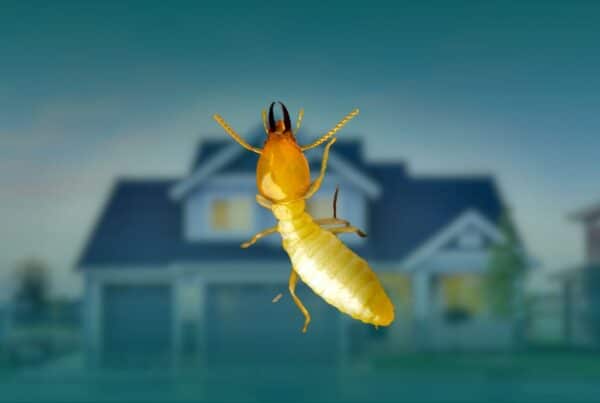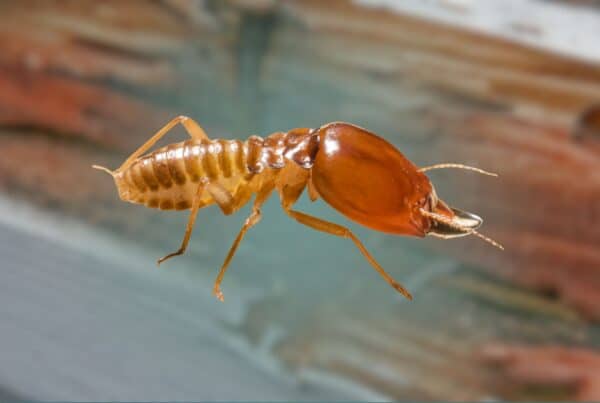

Termites are one of the most damaging pests Florida homeowners face, largely because they work out of sight until repairs are needed, or you employ proper termite prevention and treatment.
Florida’s climate makes this problem worse. Warm temperatures, frequent rainfall, and high humidity allow termites to remain active throughout the year. In many cases, homeowners do not realize there is a problem until damage is already well underway.
Prevention reduces the chance of termites establishing near the home. Treatment becomes necessary once termites are active. Knowing how these approaches differ and when each applies is essential for protecting Florida homes.
Why Florida Homes Face Higher Termite Pressure
Florida consistently ranks among the states with the highest termite activity in the country. Subterranean termites, the most common type found in the state, rely on moisture and soil contact to survive. Florida provides both in abundance.
In areas like Jacksonville and surrounding communities, several conditions increase termite pressure:
- Sandy soil that allows easy tunneling
- High groundwater levels that keep the soil moist
- Slab foundations that hide entry points
- Landscaping that places mulch or wood close to the structure
Research from the University of Florida IFAS Extension shows that termites in Florida can remain active year-round, unlike colder regions where winter slows colony growth. This continuous activity increases the risk of undetected damage over time.
Termite Prevention vs Termite Treatment
Termite prevention and termite treatment are often mentioned together, but they serve different roles. Understanding the distinction helps homeowners avoid false assumptions about protection.
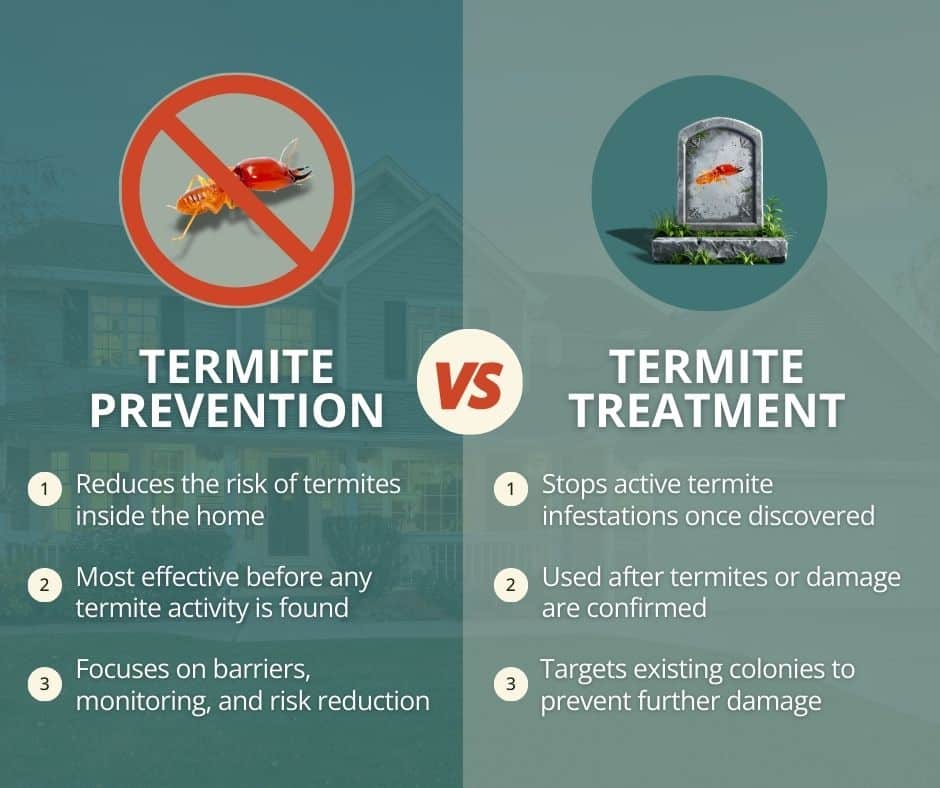
Prevention focuses on reducing the likelihood that termites reach the home. Treatment focuses on eliminating termites once they are already present.
| After the activity is detected… | Termite Prevention | Termite Treatment |
| Primary goal | Reduce future risk | Eliminate active termites |
| Timing | Before activity is found | After activity is detected |
| Scope | Ongoing protection | Targeted intervention |
| Best suited for | Florida homeowners | Confirmed infestations |
Many homes benefit from prevention early and treatment later if activity is discovered.
How Termites Enter Florida Homes
Termites do not need large openings to access a structure. Subterranean termites build mud tubes that protect them from air and light as they travel from soil to wood.
Common entry points include:
- Expansion joints in concrete slabs
- Small foundation cracks
- Plumbing and utility penetrations
- Crawl space openings
- Wood siding or trim touching soil
Moisture plays a major role in termite attraction. Areas with poor drainage, leaking plumbing, or consistent condensation make it easier for termites to survive and spread.
Once inside, termites can move between walls and floors without being seen.
Early Warning Signs Homeowners Should Not Ignore
Because termites stay hidden, early signs are often subtle. Many homeowners mistake these signs for cosmetic issues or normal wear.
Warning signs may include:
- Mud tubes along foundation walls
- Hollow or damaged wood
- Blistering paint or drywall
- Discarded wings near windows or doors
- Floors that feel soft or uneven
According to the National Pest Management Association, termites cause billions of dollars in property damage annually, much of it due to delayed detection. Spotting these signs early and scheduling an inspection can significantly reduce repair costs.
Why DIY Termite Prevention Usually Falls Short
Many homeowners try to reduce termite risk using store-bought products or surface treatments. While these efforts may feel proactive, they rarely offer meaningful protection.
DIY methods often fail because:
- They do not reach underground colonies
- Application is inconsistent or incomplete
- Soil conditions are not accounted for
- Entry points remain untreated
- No monitoring is in place to catch new activity
Termites can bypass surface treatments or continue feeding deeper inside the structure. Without professional-grade products and proper application, prevention efforts leave gaps that termites can exploit.
How Professional Termite Prevention Works
Professional termite prevention focuses on creating a protective barrier between the home and the surrounding soil. This barrier disrupts termite travel paths before they reach structural wood.
Prevention strategies may include:
- Soil treatments around the foundation
- Targeted application at known entry points
- Monitoring systems near vulnerable areas
- Moisture and drainage recommendations
Rather than relying on visible deterrents, professionals focus on how termites actually move and where risk is highest. This approach is especially important in Florida, where termite pressure is constant.
When Termite Treatment Becomes Necessary
Prevention alone cannot eliminate an active infestation. Once termites are feeding on structural wood, treatment is required to stop damage.
Treatment needs depend on:
- The termite species involved
- Location of activity
- Construction type
- Soil conditions around the home
Effective treatment focuses on eliminating the colony and preventing further feeding. This requires a plan based on inspection findings rather than generalized solutions.
Why Termite Inspections Matter
A termite inspection provides the information needed to make the right decision. Without an inspection, it is impossible to know whether termites are active, how long they have been present, or where they are entering.
During a termite inspection, professionals evaluate:
- Signs of live termites
- Evidence of previous damage
- Entry points and vulnerabilities
- Moisture conditions
- Areas hidden from view
Inspections help homeowners understand the scope of the issue and avoid unnecessary or ineffective treatments.
Moisture and Its Role in Termite Activity
Moisture is one of the strongest termite attractants. Florida homes with ongoing moisture problems face a higher infestation risk.
Common moisture sources include:
- Poor grading around the foundation
- Standing water near the structure
- Leaking pipes or HVAC systems
- High crawl space humidity
Addressing moisture alone will not eliminate termites, but it reduces conditions that allow colonies to thrive and expand.
Termite Risk in New vs Older Homes
Both new and older homes can experience termite problems, but for different reasons.
Newer homes may be vulnerable due to:
- Construction gaps
- Soil disturbance during building
- Landscaping changes
Older homes often face a higher risk because of:
- Aging materials
- Long-term moisture exposure
- Wood-to-soil contact
- Lack of prior prevention
Regardless of age, Florida homes benefit from regular inspections and proactive planning.
The Long-Term Cost of Termite Damage
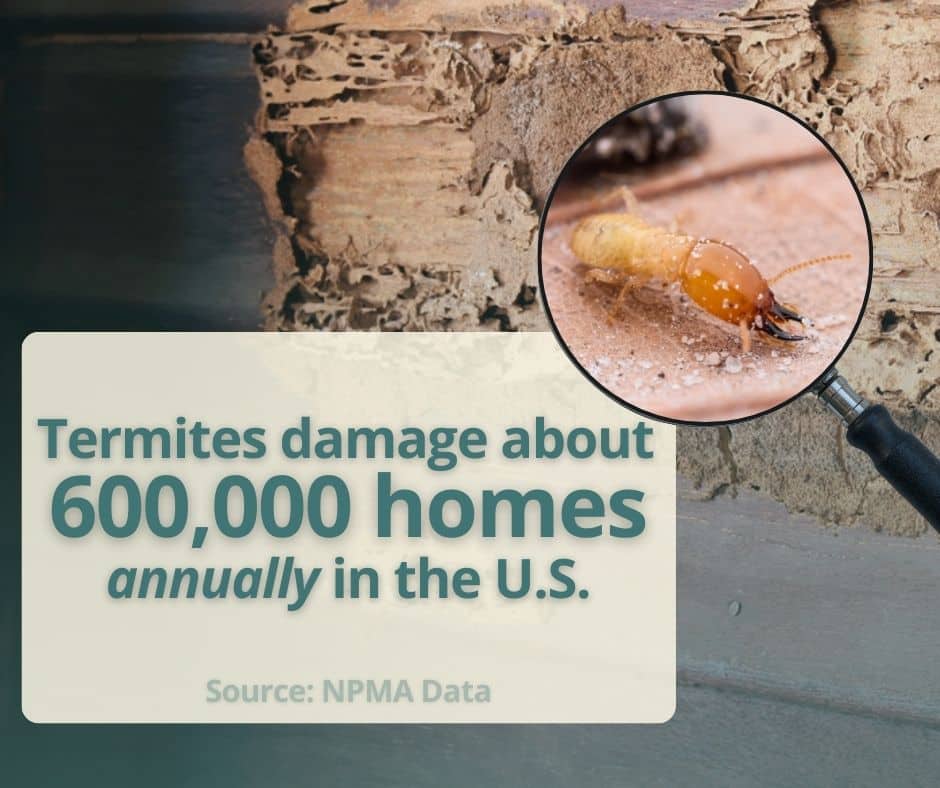
Termite damage is rarely inexpensive because it affects structural components, not just surfaces. Repairs often involve framing, flooring, or support systems that are difficult to access and costly to replace.
According to industry data, termites cause over $5 billion in property damage each year in the United States, and the majority of that cost is paid out of pocket by homeowners. In Florida, costs can escalate faster because colonies remain active year-round.
Long-term damage may include:
- Compromised floor joists or wall framing
- Sagging floors or ceilings
- Door and window misalignment
- Structural repairs that require opening walls or floors
Most homeowners’ insurance policies do not cover termite damage, which makes prevention and early detection especially important. The longer termites remain undetected, the more invasive and expensive repairs tend to be.
How Inside & Out Pest Services Approaches Termite Control
Inside & Out Pest Services focuses on helping homeowners understand risk first, then applying the appropriate prevention or treatment strategy.
Their approach emphasizes:
- Thorough termite inspections
- Identifying property-specific risk factors
- Applying targeted prevention when appropriate
- Providing effective treatment for active infestations
By addressing both current activity and future risk, homeowners receive clearer, longer-lasting protection rather than short-term fixes.
Related FAQs to Explore Next
How Often Should Florida Homes Be Inspected for Termites?
Inspection frequency depends on location, construction type, and history, but regular termite inspections help catch activity early.
Do Termites Always Cause Visible Damage?
No. Termites often cause internal damage long before any surface signs appear.
Can Moisture Problems Attract Other Pests?
Yes. Conditions that attract termites often support other pest issues as well.
Are Homes Near Water at Higher Risk?
Proximity to moisture sources can increase termite pressure, especially if wood contacts soil.
When to Call a Professional
Knowing which professional to call depends on what you are seeing and what questions you need answered.
A pest professional should be contacted when:
- You notice signs of active termites
- Mud tubes or discarded wings are present
- You want preventive termite protection
- You need treatment for a confirmed infestation
A full home inspection may be appropriate when:
- You are buying or selling a home
- You want a broader explanation of structural concerns
- Termite damage may affect other systems or materials
- You need documentation of the overall home condition
In many cases, both services work together. Pest professionals focus on termite activity and control, while home inspections help homeowners understand how damage or risk affects the rest of the property.
Conclusion
Termite prevention and termite treatment both play important roles in protecting Florida homes. Prevention reduces the risk of infestation, while treatment eliminates active colonies once they appear.
In Jacksonville and surrounding areas, year-round termite pressure makes education, inspections, and proactive planning essential.
Get in touch with Inside & Out Pest Services today to address termite concerns with clarity by focusing on inspections, prevention, and targeted treatment.