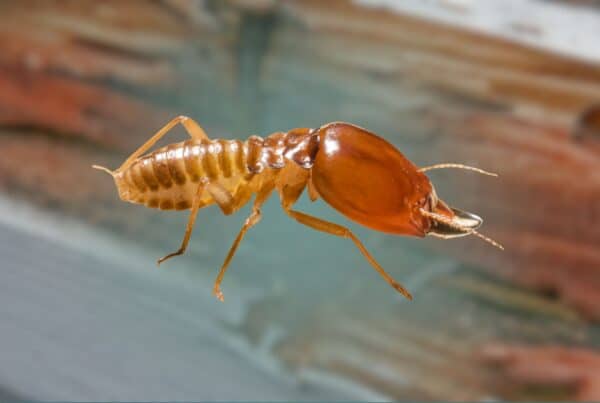

Most home purchases in Northeast Florida don’t legally require a termite inspection, but most lenders do. If you’re financing with a VA or FHA loan, a termite inspection (called a WDO, or Wood-Destroying Organism, inspection) is almost always mandatory before closing, and even cash buyers are wise to get one given how common subterranean termites are in this climate.
When Is a Termite Inspection Actually Required?
Whether you’re required to get one depends on your loan type and your county.
| Loan Type | Inspection Required? | Who Typically Pays | Notes |
|---|---|---|---|
| VA Loan | Yes, in most FL counties | Seller (per VA rules) | FL is a “moderate to heavy” termite zone |
| FHA Loan | Only if signs are spotted | Usually the seller | Triggered by appraiser findings |
| Conventional Loan | Lender-dependent | Negotiable | Not federally mandated, but common in FL |
| Cash Purchase | Not required | Buyer, if chosen | No lender oversight of termite risk |
If you’re buying with a VA loan in Duval, St. Johns, Clay, or Flagler County, treat the termite inspection as a given, not an option. The paperwork simply won’t clear without it.
Why It Matters in Jacksonville Specifically
Northeast Florida’s warm, humid climate and clay-rich soil are close to ideal conditions for termites. Subterranean termites are active here year-round, without the winter slowdown that limits colonies farther north, and drywood termites are common in older coastal homes.
Because most homeowners insurance policies exclude termite damage entirely, a termite problem discovered after closing becomes the new owner’s expense with no insurance backstop.
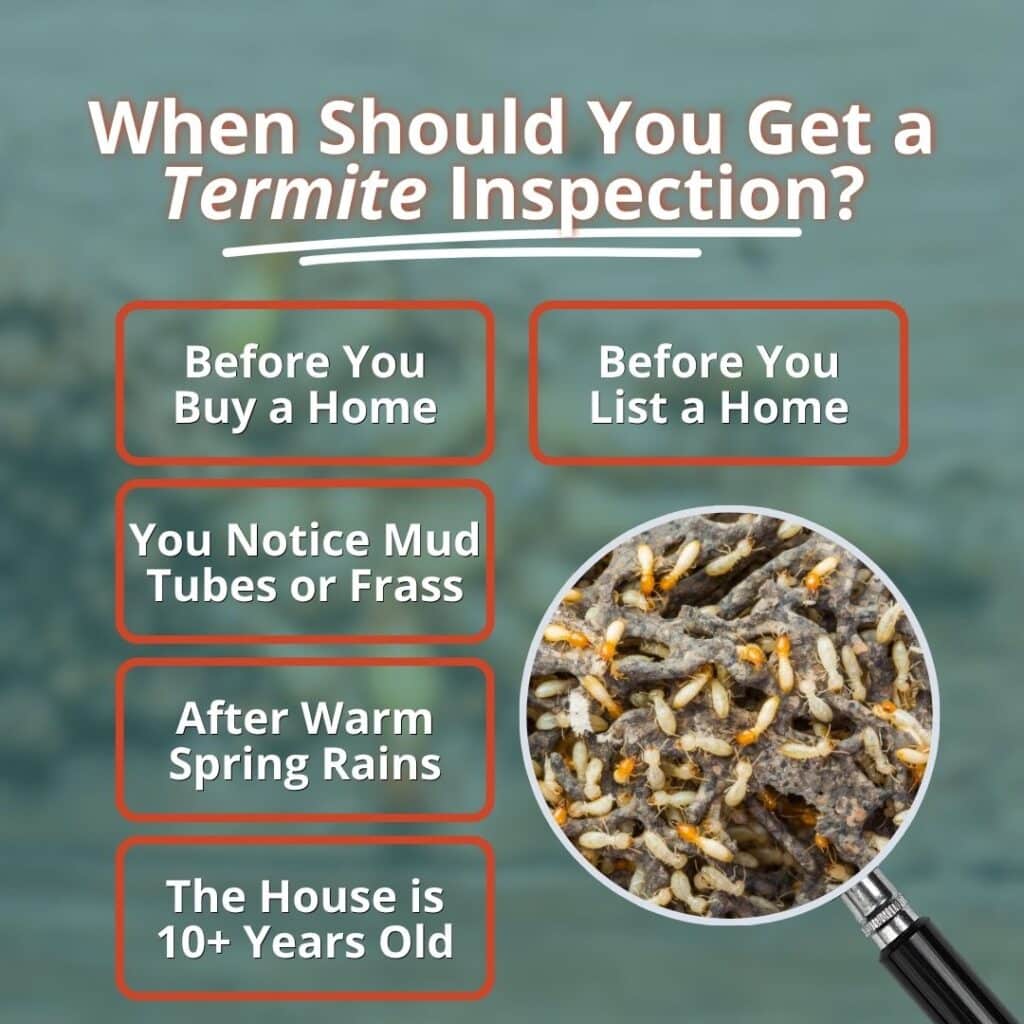
What Happens During a Termite Inspection for a Home Purchase
A licensed inspector walks through the process in a fairly consistent order:
- Exterior perimeter check: the inspector walks the full foundation line looking for mud tubes, wood-to-soil contact, and moisture buildup against the structure.
- Interior walkthrough: visible wood surfaces, baseboards, window and door frames, and attic spaces get checked for damage, hollow sound, or blistering.
- Crawl space and garage inspection: these often-overlooked areas are checked directly, along with any sheds or detached structures on the property.
- Moisture and conducive-condition review: beyond active termites, the inspector flags conditions that make future infestations more likely, like mulch piled against the foundation or standing water near the slab.
- Report generation: findings are documented in a formal WDO report, built to meet the format lenders require for closing.
What they’re specifically looking for:
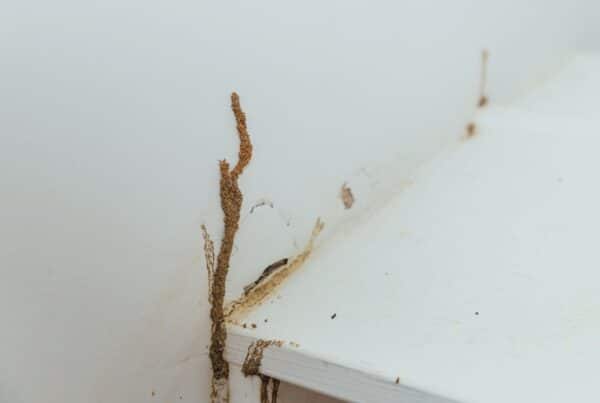
- Mud tubes along the foundation, crawl space, or exterior walls
- Damaged, hollow-sounding, or blistered wood
- Discarded termite wings near windowsills or doors
- Excess moisture, wood-to-soil contact, and other conditions that invite termites
- Visible termite frass (drywood termite droppings) in attics or wall voids
The inspection typically takes about an hour for an average single-family home and covers accessible areas, including garages, sheds, and other structures on the property, not just the main house. Inside & Out Pest Services provides this inspection throughout St. Johns, Duval, Flagler, and Clay counties, and issues a report that meets lender documentation requirements.
What It Costs and Who Pays
A standalone termite inspection generally runs $100 to $200, though it’s often bundled into the closing costs of a real estate transaction. In most Florida deals, and especially VA-backed ones, the seller covers the inspection and any required treatment, since the home is expected to be “termite clear” at the time of sale. If active termites or damage are found, expect one of a few outcomes:
- The seller pays for treatment and repairs before closing.
- The purchase price is renegotiated to account for the cost of treatment.
- The buyer requests a re-inspection after treatment to confirm the issue is resolved before the loan is finalized.
What If Termites Are Found?
Finding termites doesn’t have to kill the deal. It gives you negotiating leverage and, more importantly, tells you exactly what you’re walking into before you own it. A documented inspection report lets you and the seller agree on next steps, whether that’s a price adjustment, seller-funded treatment with a follow-up clearance inspection, or, in rare cases, walking away from the purchase if structural damage is extensive.
A typical post-discovery timeline looks like this:
- Inspector documents findings in the WDO report and flags severity.
- Buyer and seller (through agents or attorneys) negotiate next steps: treatment, repair credit, price adjustment, or in rare cases, contract termination.
- Seller schedules treatment, if that’s the agreed path, with a licensed pest control company.
- A follow-up “clearance” inspection confirms the issue is resolved.
- The updated report goes back to the lender, and closing proceeds.
This process typically adds anywhere from a few days to a couple of weeks to closing, depending on how quickly treatment and re-inspection can be scheduled, which is another reason to order the inspection early rather than waiting until the final days before closing.
Termite Inspection vs. General Home Inspection
Buyers sometimes assume their standard home inspection already covers termites. It doesn’t.
| Detail | General Home Inspection | Termite (WDO) Inspection |
|---|---|---|
| Focus | Overall condition: roof, electrical, plumbing, HVAC | Wood-destroying organisms specifically |
| Who performs it | Licensed home inspector | Licensed pest control operator |
| Required by lenders? | Almost always | Loan-type and location dependent |
| Typical cost | $300–$600 | $100–$200 |
| Report format | General condition report | Standardized WDO report (Form NPMA-33 in FL) |
Both are worth having, but neither one substitutes for the other. If your general inspector notes “possible wood damage,” that’s a cue to schedule a termite-specific inspection, not a replacement for one.
Common Termite Inspection Mistakes
- Waiting until the last week before closing. This leaves no room to negotiate treatment or a price adjustment if termites turn up, and can put your closing date at risk.
- Assuming the general home inspector already checked for termites. Unless they explicitly hold a pest control license and issued a separate WDO report, they didn’t.
- Skipping the inspection on a cash purchase to save money. The $100–$200 cost is small compared to the repair bill for an undetected infestation, which insurance won’t cover.
- Not reading the full WDO report. A “clear” report with noted conducive conditions (like mulch against the foundation) still means action items worth addressing after closing, even without active termites.
Clean vs. a Flagged WDO Report
| Detail | Clean Report | Flagged Report |
|---|---|---|
| Findings | No visible evidence of active infestation or damage | Active termites, damage, or conducive conditions noted |
| Impact on closing | Typically none | May require treatment, repair, or renegotiation before closing |
| Next step | Proceed as planned | Buyer/seller agree on treatment, credit, or price adjustment |
| Follow-up needed | None, though periodic future inspections are still smart | Clearance re-inspection after treatment |
How Termite Risk Varies Within Northeast Florida
Termite pressure isn’t uniform even within the same metro area. Older neighborhoods with mature landscaping and homes built before more current moisture-management standards, common in parts of Jacksonville’s urban core, tend to see more subterranean termite activity due to established colonies nearby and wood-to-soil contact in older construction.
Newer developments in areas like Palm Coast or parts of Clay County generally see somewhat lower pressure, though drywood termites, which don’t depend on soil contact at all, remain a risk regardless of a home’s age or location given Florida’s coastal humidity. This is part of why a general “termites are common in Florida” statement matters less than an actual inspection specific to the property you’re buying.
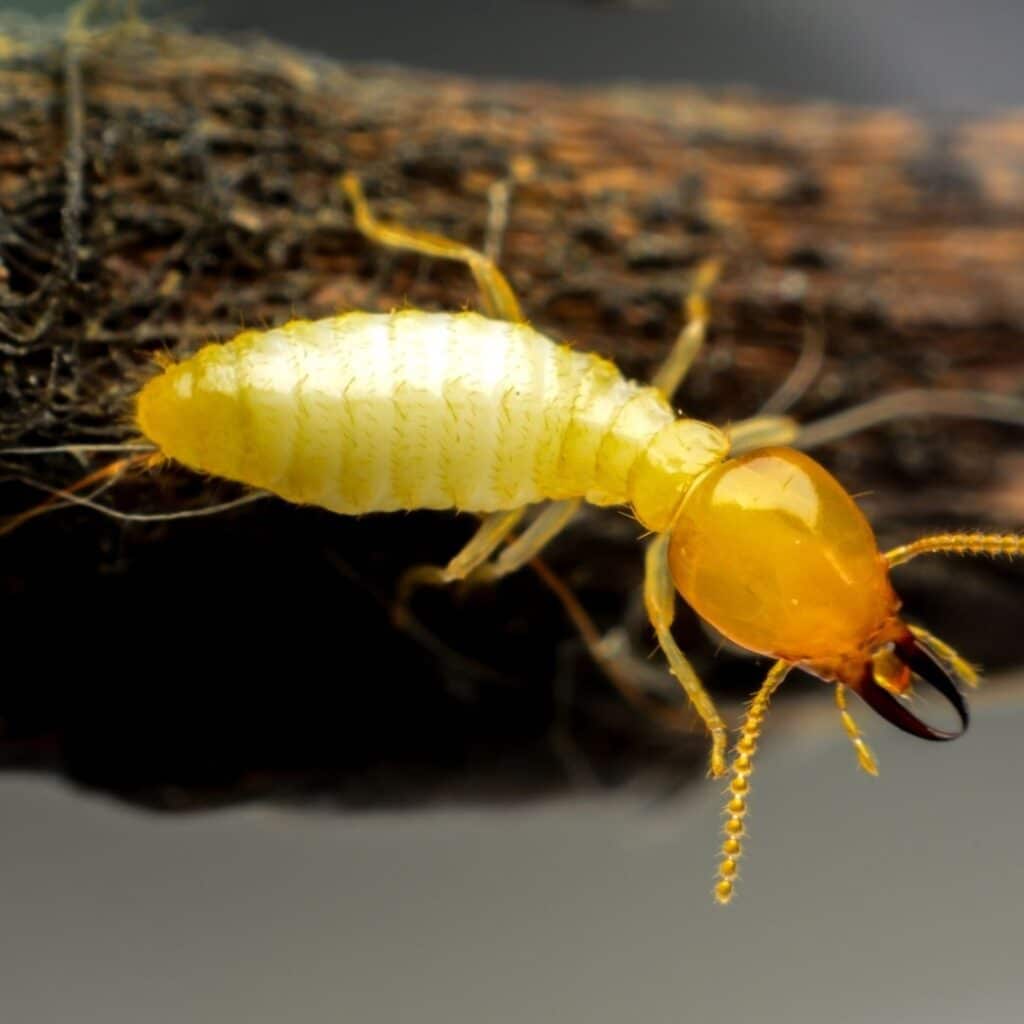
Types of Termites NE Florida Homeowners Face
Not all termites behave the same way, and knowing which type you’re dealing with changes both the urgency and the treatment approach. Florida sits in a high termite-risk zone, and homeowners in the Jacksonville area typically encounter one of four types:
Eastern Subterranean Termites
The most common termite in North America, and the species behind most residential infestations in the Jacksonville metro. Eastern subterranean termites live in underground colonies and build visible mud tubes to travel between the soil and the wood they’re feeding on, since they need constant contact with moisture to survive.
Colonies can reach into the hundreds of thousands of workers, and because the colony itself stays hidden underground, damage is often more advanced than it looks by the time it’s discovered.
Formosan Subterranean Termites
Sometimes called the “super termite,” Formosan termites are an aggressive, invasive subterranean species that has spread through parts of Florida, including coastal Northeast Florida. Their colonies can number in the millions, dwarfing native subterranean colonies, and they’re capable of consuming wood dramatically faster as a result.
Formosan termites also build carton nests, made from chewed wood and soil, inside wall voids, which lets satellite colonies survive above ground near moisture sources like plumbing leaks without needing to travel back to the soil each time.
Drywood Termites
Unlike subterranean and Formosan termites, drywood termites don’t need soil contact at all. They live entirely inside the dry wood they’re consuming, which is why they’re common in attics, furniture, and wood siding, and why they’re often first noticed from small piles of pellet-like frass beneath tiny exit holes rather than mud tubes.
Because they don’t rely on ground moisture, a drywood infestation can start from swarmers entering through a single unscreened attic vent or gap in wood trim.
Dampwood Termites
Less common in the Jacksonville area than farther south in the state, dampwood termites target wood that’s already water-damaged, typically from roof leaks, plumbing leaks, or wood in direct contact with standing moisture.
They’re most associated with Florida’s more humid southern regions and coastal woodlands, but any Northeast Florida home with a persistent moisture problem, an unaddressed roof leak, or a crawl space with poor drainage can still attract them.
How to Tell Termite Types Apart
| Type | Needs Soil Contact? | Colony Size | Typical First Sign |
|---|---|---|---|
| Eastern Subterranean | Yes | Up to hundreds of thousands | Mud tubes on foundation |
| Formosan Subterranean | Mostly (satellite colonies can survive above ground) | Often millions | Extensive mud tubes, carton nests in walls |
| Drywood | No | Hundreds to a few thousand | Pellet-like frass, exit holes |
| Dampwood | No (but needs high wood moisture) | Smaller than subterranean species | Damage near leaks or water-damaged wood |
This matters at the inspection stage because treatment is species-specific. Subterranean and Formosan colonies typically need soil treatment or bait systems that target the underground colony directly, while drywood infestations may call for localized wood treatment or, in more widespread cases, whole-structure fumigation.
A termite inspection during a home purchase isn’t just confirming “termites, yes or no.” The report should identify which type is present, since that’s what determines whether treatment is a quick localized fix or a more involved (and more expensive) process before closing.
Related Questions to Explore
- Is a termite inspection the same as a home inspection? No. A general home inspection covers the overall condition of the home, including the roof, electrical, and plumbing systems. A termite inspection, or WDO inspection, is a separate, specialized report focused specifically on termites and other wood-destroying organisms.
- How long does a termite inspection take? Most inspections take about an hour for a typical single-family home, though larger homes or properties with limited crawl space access can take longer.
- Does homeowners insurance cover termite damage? Almost never. Termite damage is considered a preventable maintenance issue, not a covered peril, which is why the pre-purchase inspection matters so much.
- Can I skip the termite inspection if I’m paying cash? You can, since no lender is requiring it, but that also means you have no professional confirmation of termite activity before you own the home and its repair costs.
- What’s the difference between subterranean and drywood termites? Subterranean termites live in the soil and build mud tubes to reach wood, while drywood termites live directly inside the wood they infest without needing soil contact. Northeast Florida homes can face both.
When to Call a Professional
If you’re under contract on a home and your lender requires a WDO inspection, or if you simply want peace of mind before closing, schedule the inspection as early in the process as your contract timeline allows. This gives you room to negotiate if anything turns up.
You should also call a professional if you notice mud tubes, discarded wings, or soft or hollow wood in a home you’re considering, even before a formal offer.
Choose Inside & Out
Inside & Out Pest Services provides termite inspections throughout Jacksonville, St. Augustine, Orange Park, Palm Coast, and the surrounding areas, with reports built to meet lender requirements.
Schedule your termite inspection today to keep your home purchase on track.