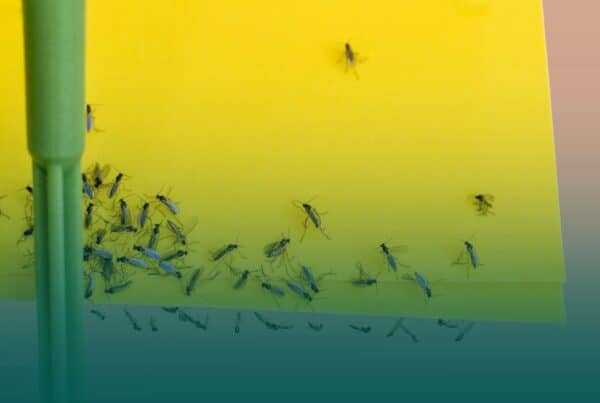

Small insects, typically under 6 mm, are often misidentified as household pests. Though easy to ignore due to their size, they can signal the start of a larger infestation. Knowing which small bugs emerge in spring, what attracts them, and how to stop them early can prevent bigger problems by summer.
Spring in Northeast Florida is a wonderful time as the weather settles and humidity rises, bringing outdoor life back, including bugs.
If you notice tiny bugs in your Jacksonville kitchen, small insects along baseboards in Nocatee, or pests near windows in St. Augustine as temperatures warm, it’s normal.
Why Spring Changes Everything for Florida Pests
Florida’s pest season never fully shuts down, but spring is a significant turning point. As temperatures rise and moisture increases, insects that were slow through winter begin reproducing rapidly. Eggs hatch, larvae develop, and colonies that have been quietly building outdoors start pushing indoors in large numbers.
Spring rain creates standing water near foundations, vegetation grows close to the house, and stored food products in pantries become targets for newly active household insects. By the time you see small bugs inside your home, populations outdoors are usually already well established.
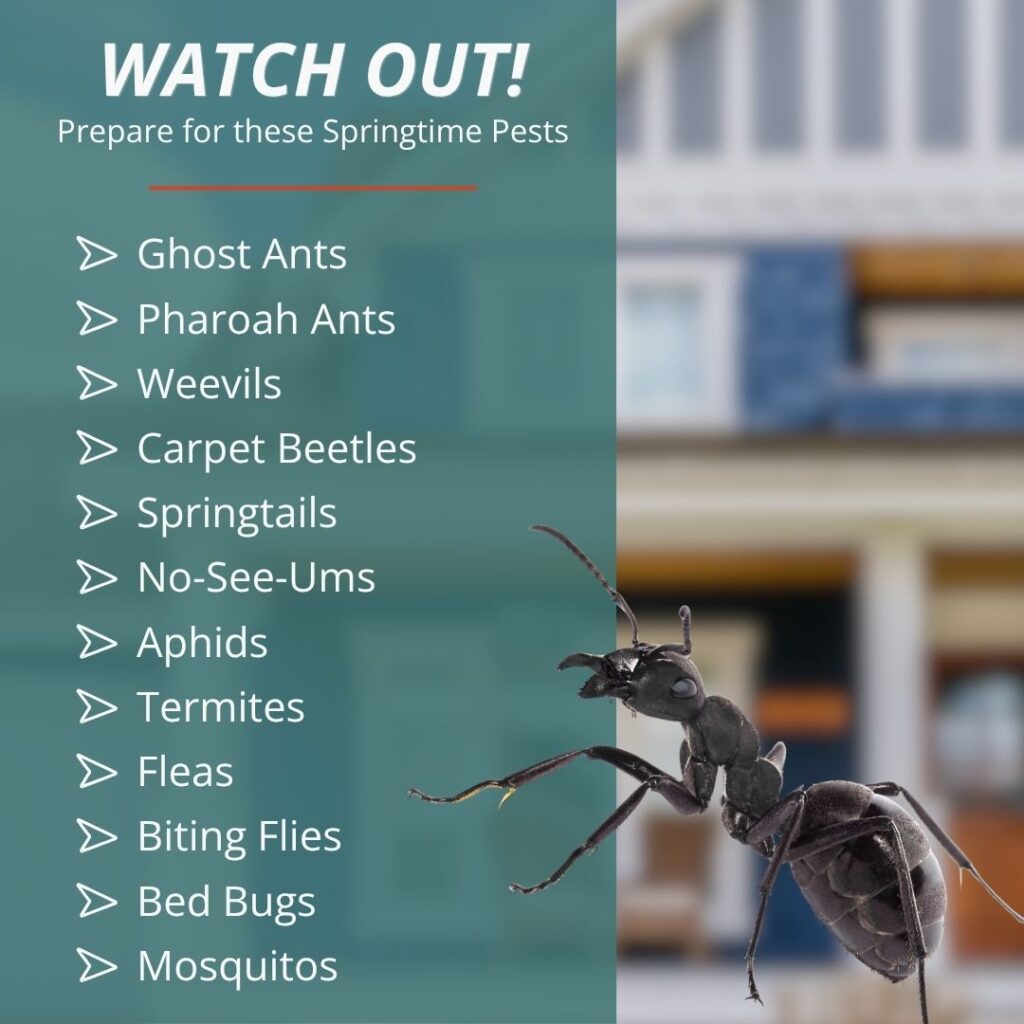
The Most Common Small Insects Florida Homeowners See in Spring
Small insects play diverse roles in ecosystems, from pollinating plants and breaking down organic matter to serving as food for predators like birds and spiders. Not all small insects are harmful; some, such as mites and certain predators, help control pest populations naturally.
Ghost Ants and Pharaoh Ants
Ghost ants are named for their nearly transparent legs and abdomen, making them almost invisible on light-colored surfaces. They move through kitchens and bathrooms in large numbers, drawn to moisture and food.
Pharaoh ants are a tiny, yellow-orange species at about 1/16 of an inch that target similar areas and are equally difficult to eliminate.
Both species respond to over-the-counter sprays by budding into multiple satellite colonies that spread further through your home. Using insecticidal bait is a far more effective method for controlling ants, as workers carry it back to the nest and eliminate the colony at the source.
Proper identification matters here because treatment that works for one species can make another worse.
Carpet Beetles
Carpet beetles belong to the Dermestidae family and are common household pests that can infest a variety of materials, including stored grains, animal-based products, upholstery, and clothing. They’re small, round, and varied in color, often dark brown with patterned markings.
Adult beetles are frequently found near windows since they’re attracted to bright light, while their larvae do the actual damage indoors, feeding on fabrics, carpet, and stored food products.
If you’re finding unexplained damage to clothing, carpet, or pantry items in spring, carpet beetles may be the culprit rather than moths.
Weevils
Weevils are recognized by their long antennae and distinctive long snouts. They’re a type of beetle commonly found in stored grain products like flour, rice, cornmeal, and cereals. Infested food products are the primary way weevils enter a home, though they can also come in through cracks in the foundation or walls.
Finding weevils in your pantry is a sign that stored food products need to be inspected and sealed. Transfer grain products to airtight containers and check for any other infested food nearby.
Springtails
Springtails look like tiny specks of dirt jumping across wet surfaces. You’ll find them in bathrooms, laundry rooms, around potted plants, and near doors where moisture collects. They feed on mold and decaying organic matter, and their presence in large numbers almost always signals a moisture problem such as a leaky pipe, excess humidity, or organic buildup in soil near the foundation.
Natural remedies such as diatomaceous earth can help eliminate springtails and many other types of tiny bugs, while keeping the house clean and clutter-free removes food sources and hiding places.
Subterranean Termite Swarmers
Every spring, usually after the first warm rain, subterranean termite colonies release winged swarmers. Most adult insects have one or two pairs of wings, and termite swarmers are no exception, but they’re often confused with flying ants. The differences matter significantly.
| Feature | Termite Swarmers | Flying Ants |
|---|---|---|
| Waist | Straight | Pinched |
| Wings | Equal length | Front wings longer |
| Antennae | Straight | Elbowed |
| Color | Dark brown | Varies |
Finding swarmers or piles of dead insects near a window or baseboard means an established colony is nearby. A termite inspection should happen quickly, not after the weekend.
Biting Flies and No-See-Ums
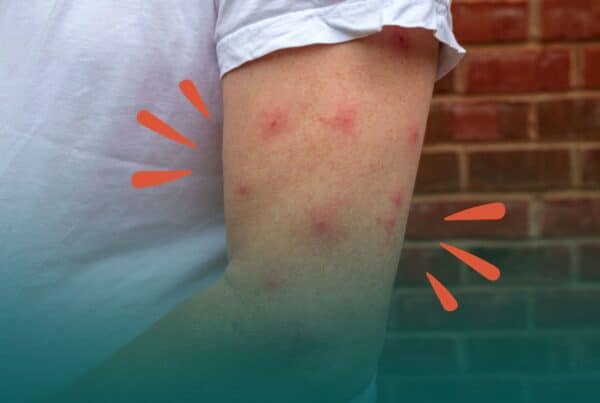
Biting flies and biting midges, commonly called no-see-ums, are among the most frustrating small insects in Florida. Most species are barely visible to the naked eye but deliver a painful bite that leaves welts lasting several days. They’re most active at dawn and dusk near moisture and are a real issue near the beaches of Atlantic Beach, Neptune Beach, and Vilano Beach each spring.
Standard window screens often don’t stop them. Fine mesh screens specifically designed to block biting midges are available and make a significant difference in homes near water or wooded areas.
Other Pests That Pick Up in Spring
Fleas accelerate in spring, especially in homes with pets. They infest carpet, bedding, and upholstery quickly and are easy to miss until bites start appearing on ankles and legs. Check pets regularly as temperatures rise.
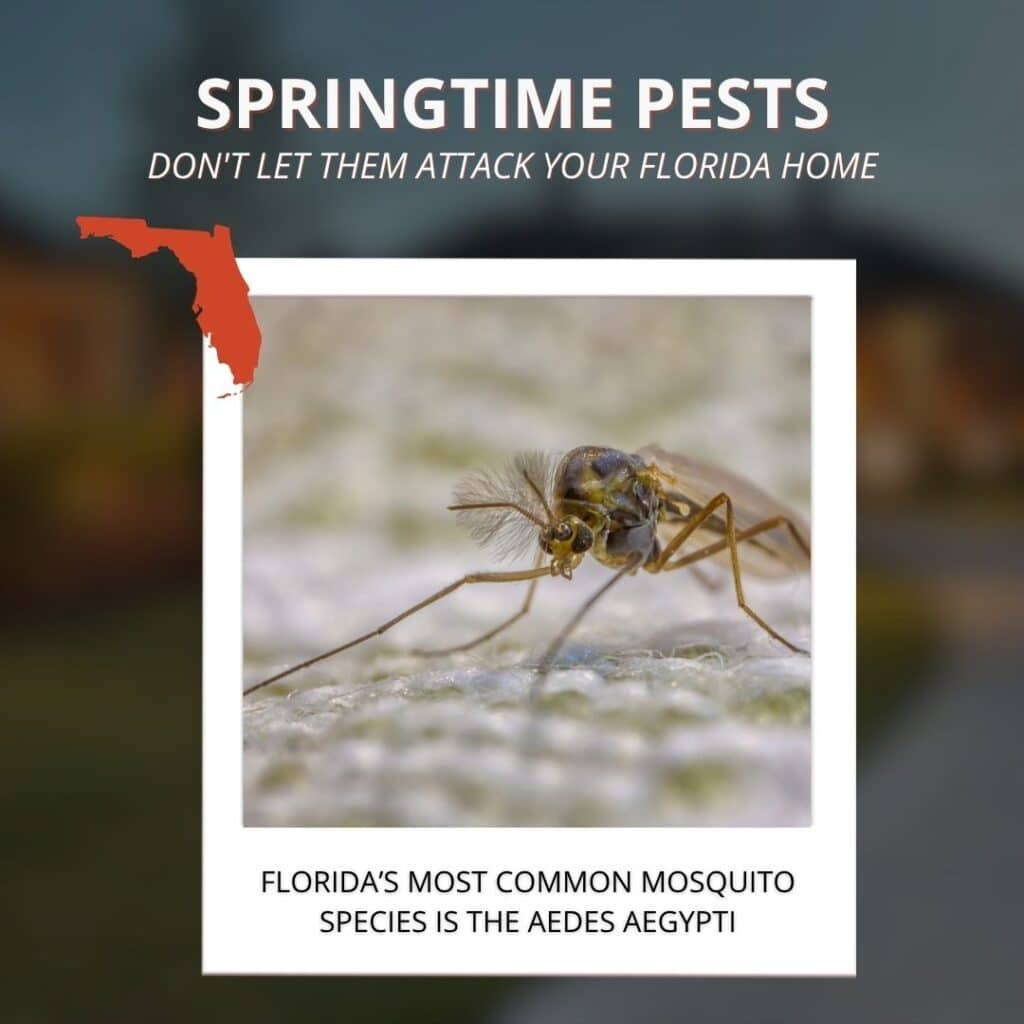
Mosquitoes get an early start from spring rain, creating standing water. In communities with retention ponds and green spaces like Nocatee, Sawgrass, and Fruit Cove, spring mosquito populations build well before summer.
Bed bugs don’t follow a seasonal pattern, but are worth mentioning as household travel picks up in spring. Bed bugs are notoriously difficult to control and can be identified by their small, reddish-brown, flat bodies, roughly the size of an apple seed. They’re parasites that feed on humans and pets, hiding in mattress seams, wall cracks, and furniture during the day.
Aphids become active in spring gardens, feeding on plant sap and weakening vegetation. Insect pests like aphids can quickly degrade plant health, resulting in unsightly or weakened plants. There are over 1,300 species of aphids in North America, varying in color from green to black. While they’re primarily an outdoor concern, they can come indoors on potted plants.
Why Store-Bought Treatments Often Fall Short
Proactive pest management begins with identifying the pest and deciding on a plan of action, which may include sanitation, managing moisture, and sealing off entry points. Store-bought pesticides skip this step entirely and address what you can see rather than the source.
For ants, direct sprays trigger budding. For carpet beetles, surface treatments miss larvae hidden deep in carpet or stored clothing. For termites, nothing over the counter touches a colony in the soil. Sealing cracks around doors, windows, and the foundation helps reduce entry points, but for established infestations, professional treatment is what actually breaks the cycle.
Questions Florida Homeowners Ask About Spring Pests
- What are the tiny insects in my Jacksonville pantry? Most likely weevils or booklice. While cleaning helps, these pests often enter through structural gaps and thrive in Northeast Florida’s humidity. Our inside-out approach identifies the entry source and moisture levels inviting them in, allowing us to build a professional-grade barrier on your home’s exterior.
- How do I tell the difference between termites and flying ants? Look at the waist and wings: termites have straight bodies and four equal-length wings; ants have a pinched waist and unequal wings. Because mistaking a termite swarmer can lead to structural damage, Inside & Out provides expert inspections to identify the species and stop the colony at the source.
- Do I need mosquito control even if I don’t have standing water in my yard? Mosquitoes can breed in as little as a bottle cap of water. Neighbors’ yards, street drainage, and community retention ponds all contribute to populations on your property. Professional mosquito control targets breeding areas and significantly reduces activity around your home, even when the source isn’t on your lot.
- Can pest control handle both insects and rodents? Yes. At Inside and Out Pest Services, general pest control, termite inspection, termite treatment, mosquito control, and rodent exclusion are all available individually or together. Spring is an ideal time to set up a recurring plan before summer populations peak.
When to Call a Professional
Reach out to Inside and Out Pest Services if you’re seeing any of the following:
- Ant trails that return despite cleaning and sealing entry points
- Termite swarmers or piles of dead insects near windows or baseboards
- Damage to carpet, fabric, or stored food products with no clear cause
- Biting flies or no-see-ums getting through window screens
- Any sign of bed bugs or flea activity with pets in the home
Conclusion
We serve homeowners across Jacksonville, St. Augustine, Ponte Vedra Beach, Nocatee, Neptune Beach, Orange Park, Fleming Island, Palm Coast, and dozens more Northeast Florida communities. Our eco-friendly approach targets pests at the source and we back our work with a guarantee.
Spring is the right time to call. Don’t let summer catch you unprepared.
Request a Service with us today!