
Waking up with a mystery welt, or finding an itchy cluster of red bumps after an afternoon outside, is a frustrating experience. While it is not always possible to identify with certainty what bit you based on skin reaction alone, several patterns of appearance, location, and timing give useful clues.
Here is a practical guide to identifying common bug bites and knowing when to seek professional help.
Why Bite Identification Is Difficult
Human skin reacts to bites differently depending on the individual’s immune response, sensitivity, and prior exposure to the pest. Two people bitten by the same flea at the same time can have completely different reactions: one may develop a visible welt, and the other may notice nothing.
Because of this, dermatologists and entomologists caution that looking at a bite reaction alone is often insufficient to definitively identify the cause.
That said, several characteristics help narrow it down: the size and shape of the reaction, the number of bites and whether they appear in clusters or lines, where on the body they appear, and what you were doing in the hours before.
Common Bug Bites and How to Tell Them Apart
Mosquito Bites
| Feature | Description |
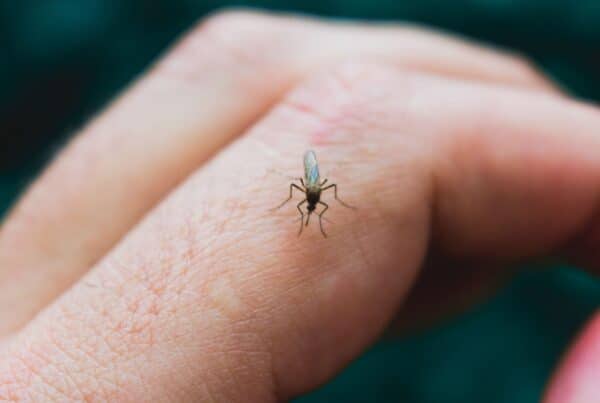
| Appearance | Small, round, puffy bumps that often have a raised white or light-colored center surrounded by a reddened area. They may begin as a tiny red dot before swelling. Older bites flatten and become a hard, itchy bump. |
| Symptoms | Intense itching that begins quickly after the bite, usually within minutes. Scratching increases swelling and prolongs the reaction. |
| Location | Any exposed skin. More common on ankles, arms, and neck. |
| Timing | Almost always occurs outdoors, particularly around dusk and dawn. Any time water is nearby. |
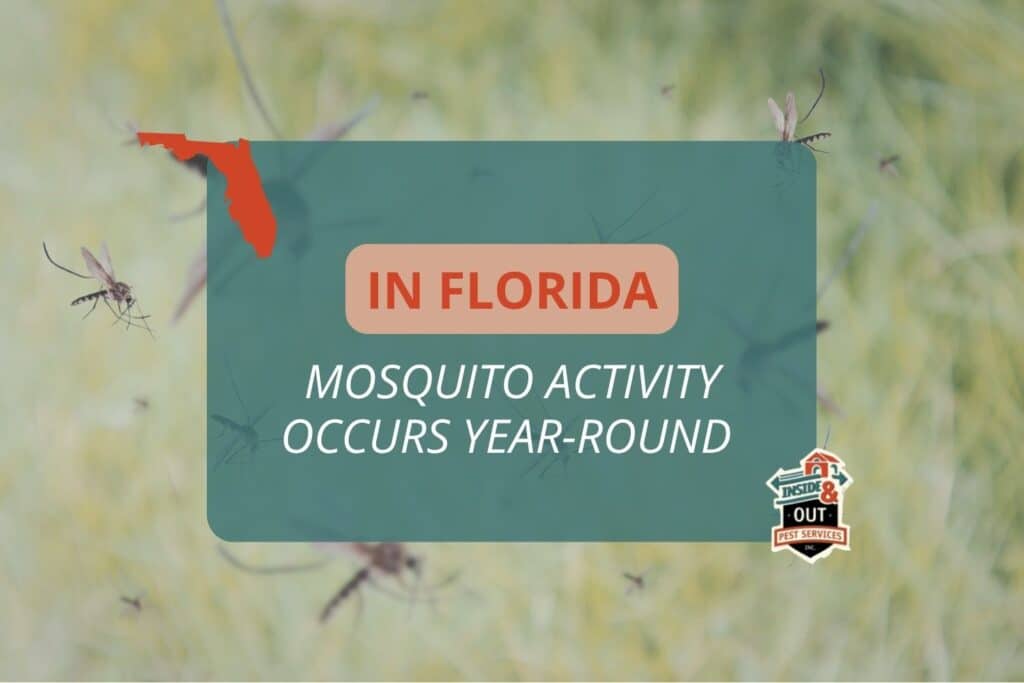
Note: In Florida, mosquitoes are active year-round. Certain species transmit West Nile virus, dengue, and other diseases. Multiple bites in one outdoor exposure session are common.
Flea Bites
| Feature | Description |
| Appearance | Small, hard, red bumps, often with a red halo. Bites frequently appear in clusters or in straight lines of three or four. |
| Symptoms | Intense, immediate itching. Bites at the ankle level or around the waistband where clothing is snug are a common pattern. |
| Location | Characteristically around the ankles and lower legs. Fleas jump from floor level, which is why lower extremities are targeted. |
| Timing | Usually noticed after spending time in an area with pets or where pets have been. Can also occur in homes or yards with wildlife activity. |
Note: Flea bites often indicate a flea infestation in the home that extends beyond individual bites.
Bed Bug Bites
| Feature | Description |
| Appearance | Flat or slightly raised red welts, sometimes with a small dark center. A defining pattern is bites in a line or cluster in groups of three (sometimes called “breakfast, lunch, and dinner“). May appear as a zig-zag pattern on exposed arms or shoulders. |
| Symptoms | May not cause an immediate reaction. Some people do not notice bed bug bites until 24 to 72 hours after they occur. Itching develops and may be moderate to intense. |
| Location | Any skin exposed during sleep: arms, shoulders, neck, face. Rarely occur below the waistband. |
| Timing | Bites occur at night while sleeping. Finding bites on waking that were not there the night before is the key indicator. Look for small blood stains on sheets, dark spots (fecal matter) at mattress seams, or shed skins. |
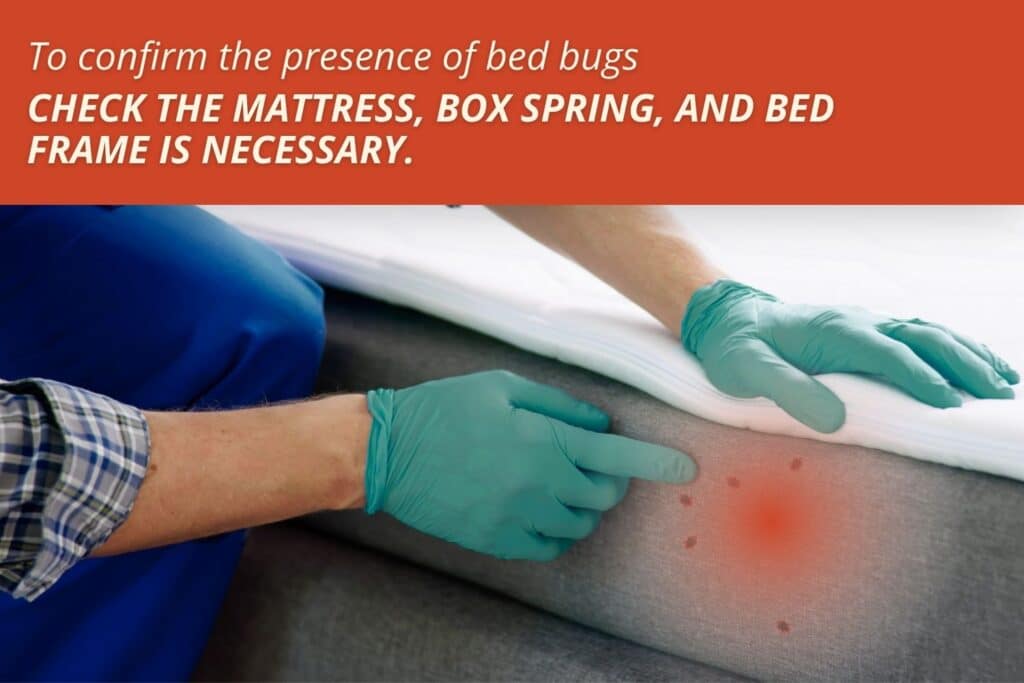
Note: Bed bug bites alone cannot confirm an infestation. Physical inspection of the mattress, box spring, and bed frame is necessary.
Tick Bites
| Feature | Description |
| Appearance | Ticks often remain attached to skin for hours or days. The bite site may appear as a small raised bump or reddened area after the tick is removed. In cases of Lyme disease transmission, a characteristic bull’s-eye rash (erythema migrans) can appear anywhere from 3 to 30 days later. |
| Symptoms | Often painless initially because tick saliva contains anesthetic compounds. Later symptoms of tick-borne illness include fever, muscle aches, fatigue, and rash. |
| Location | Ticks prefer warm, protected body areas: behind knees, in armpits, in hair, around the ears, in the groin. They typically crawl before attaching. |
| Timing | After outdoor activities in wooded areas, tall grass, or brush. |
Note: If you find an attached tick, remove it carefully with fine-tipped tweezers, grasping as close to the skin as possible and pulling straight up without twisting. Contact a doctor if you develop a bull’s-eye rash, fever, or flu-like symptoms within a month of removal.
Spider Bites
| Feature | Description |
| Appearance | Typically, a single puncture site or two small fang marks close together. The area becomes red, swollen, and painful, often more intensely than most insect bites. |
| Symptoms | Localized burning or throbbing pain within 30 to 60 minutes. In bites from dangerous species like black widows or brown recluses, a target-like pattern may develop, and systemic symptoms including muscle cramps, nausea, fever, and difficulty breathing can occur. |
| Location | Most spider bites occur when spiders are disturbed in clothing, bedding, shoes left on the floor, or storage areas. |
Note: Most spider bites in the US are not from medically significant species. If you suspect a black widow or brown recluse bite, seek medical attention promptly. Bring the spider if you can capture it safely.
Fire Ant Stings
| Feature | Description |
| Appearance | A cluster of raised red bumps that develop into fluid-filled blisters or pustules within 12 to 24 hours. The characteristic reaction is multiple stings at once since fire ants grab the skin with their mandibles and sting repeatedly. |
| Symptoms | Immediate intense burning sensation at the sting site. Stings are painful and itchy. Pustules form and fill with clear or white fluid. |
| Location | Most often on the feet and lower legs from stepping on or near a mound. |
Note: In Florida, fire ants are extremely common. For individuals allergic to fire ant venom, multiple stings can cause anaphylaxis, which is a medical emergency.
Chigger Bites
| Feature | Description |
| Appearance | Small, red, intensely itchy bumps. The bite site develops a small red welt with a white center and may blister. |
| Symptoms | The itching typically begins 3 to 6 hours after exposure and peaks at 24 to 48 hours. Chiggers inject enzymes that liquefy skin cells, causing the intense reaction. |
| Location | Most commonly where clothing fits snugly: waistbands, sock lines, underwear lines, behind the knees, in skin folds. |
| Timing | After outdoor activities in tall grass, vegetation, or wooded areas during warm months. |
Using Location and Timing as Clues
When appearance alone does not give a clear answer, these two factors narrow things down significantly:
Location on the body: Bites at ankle level suggest fleas. Bites only on skin exposed during sleep suggest bed bugs. Multiple bites at clothing edges suggest chiggers. A single painful bite anywhere may be from a spider.
When you noticed them: Waking up with bites not present at bedtime suggests bed bugs. Finding bites after yard work suggests mosquitoes, chiggers, or ticks. Multiple bites appearing after a house with pets suggest fleas.
When to Seek Medical Attention
Most insect bites resolve on their own with cold compresses and over-the-counter antihistamines or hydrocortisone cream. Seek medical attention for:
- Signs of allergic reaction: swelling of the lips, tongue, throat, or face; difficulty breathing; dizziness
- Signs of infection at the bite site: spreading redness, warmth, pus, or red streaks radiating from the bite
- Tick bite followed within a month by a bull’s-eye rash, fever, joint pain, or fatigue
- Spider bite with severe pain, muscle cramps, or spreading discoloration
Related Questions to Explore
- How do I prevent bug bites while sleeping? Prevent bed bugs by inspecting hotel sheets and washing clothes on high heat after traveling. For proactive protection against indoor biters, professional targeted treatments ensure your home is protected inside and out, keeping your bedrooms completely pest-free.
- How can I prevent pest infestations at home? Keep food sealed, eliminate standing water, and seal exterior gaps to block pests before they bite. Implementing consistent, professional preventative plans will protect your property inside and out, stopping local insects from ever invading your space.
- How do I prevent mosquitoes and bed bugs? Empty standing yard water weekly to halt mosquito breeding and shield mattresses with protective encasements. To secure your home, establish a seasonal preventative perimeter that eliminates outdoor pests and keeps your entire property safe inside and out.
- What is the best way to prevent fleas and bed bugs? Use vet-approved flea treatments on pets and carefully inspect second-hand furniture before bringing it inside. For maximum defense, a comprehensive preventative home evaluation ensures your living spaces are thoroughly guarded inside and out.
- How do I prevent chiggers and lawn pests? Keep your grass cut short, clear dense brush, and wear long pants when walking in wooded areas. For long-term yard relief, professional outdoor barrier treatments work to secure your environment, protecting your property inside and out.
If You Have a Pest Problem Behind the Bites
Individual bites are a symptom. When bites are recurring, multiple people in the household are being bitten, or bites are appearing daily, there is an active pest infestation that needs to be identified and treated.
Inside and Out Pest Services provides pest inspections that identify what species is present, where they are breeding or harbouring, and what treatment approach will eliminate the infestation.
Whether it is a flea infestation brought in by a pet, a bed bug population in mattress seams, or a cockroach or ant problem that is creating additional issues, our technicians pinpoint the source.
Conclusion
The CDC National Institute for Occupational Safety and Health provides guidance on identifying and treating bites from common insects and arthropods.
Learn more about our full pest control services and contact us to schedule a visit if you are dealing with recurring unexplained bites.